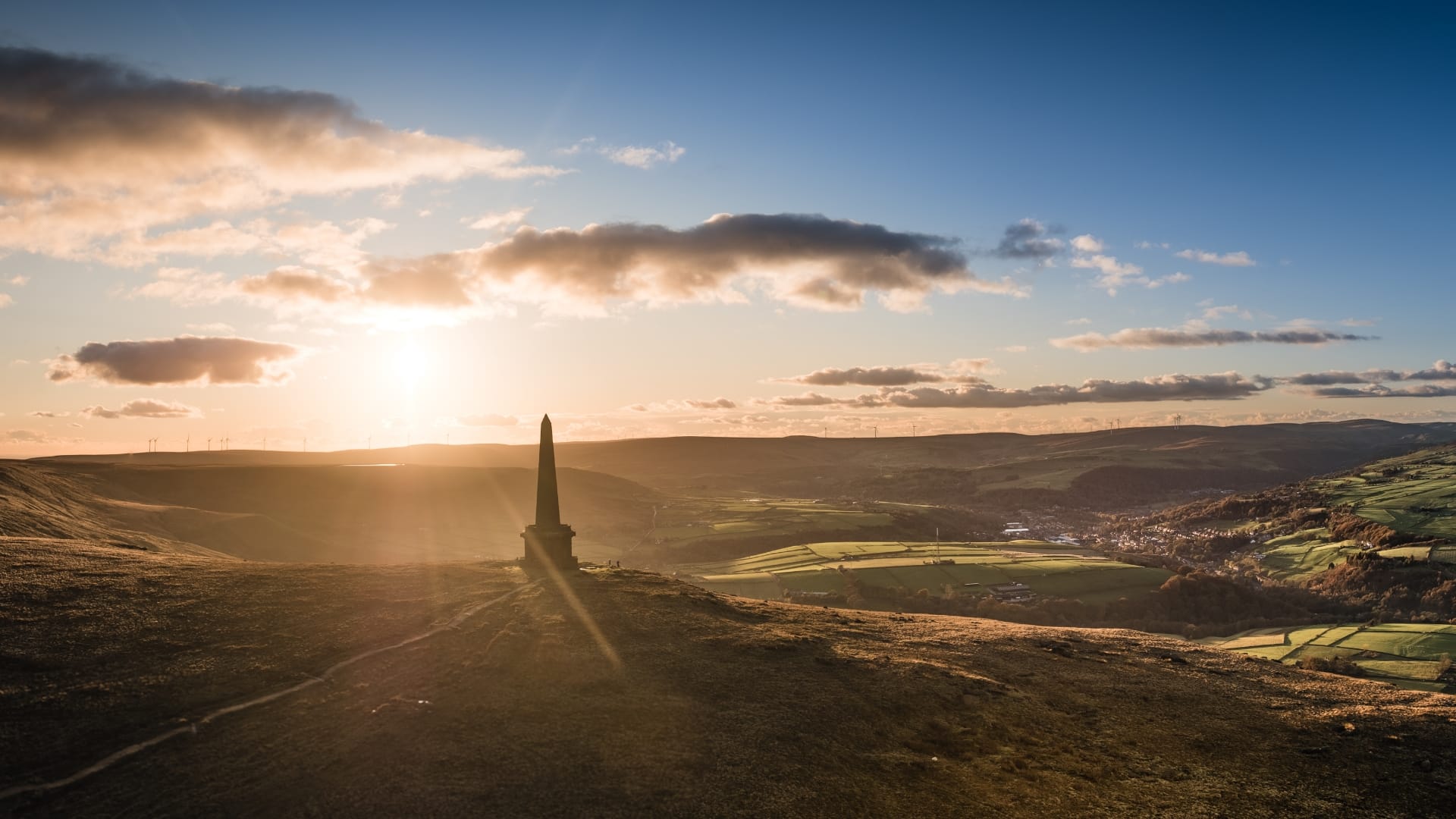
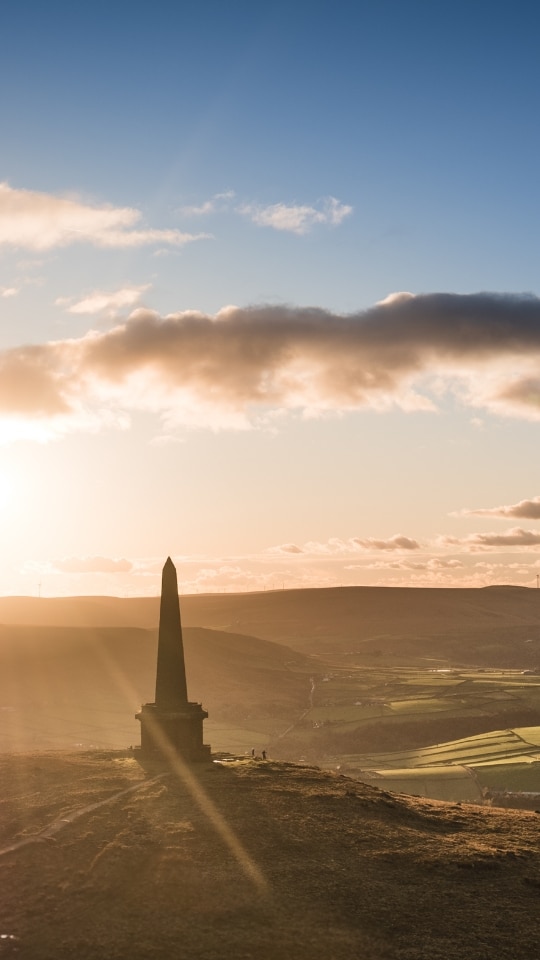
Hebden Bridge
Hebden Bridge is a town defined by its landscape as much as its character. Stone buildings cling to the valley sides, shaped by industry and creativity, while independent cafés, pubs, and cultural spaces bring a lively, contemporary rhythm to its historic heart.
A valley shaped by landscape and heritage
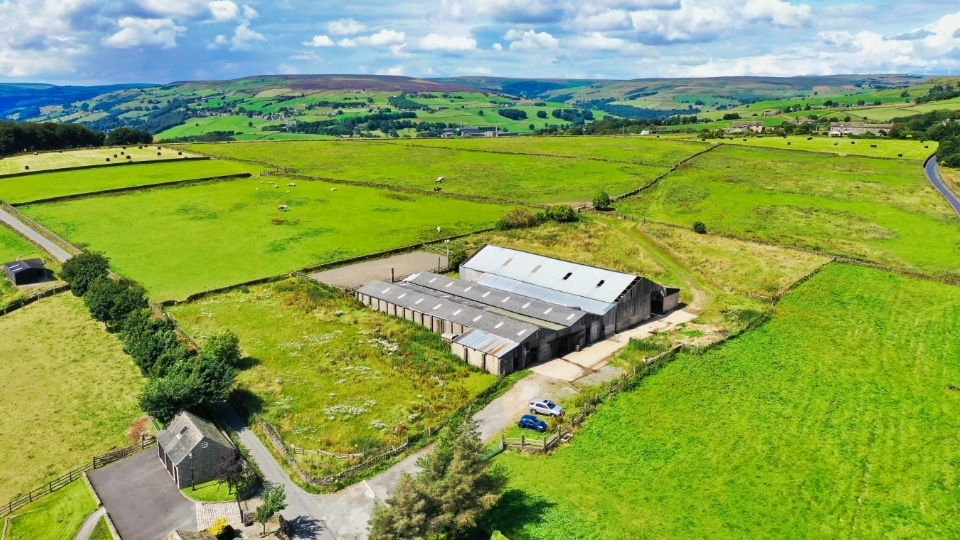
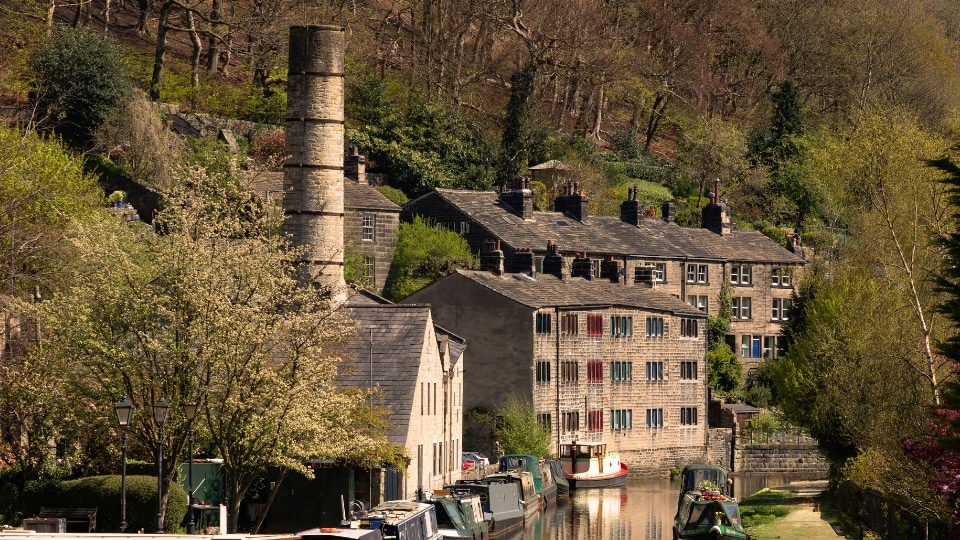
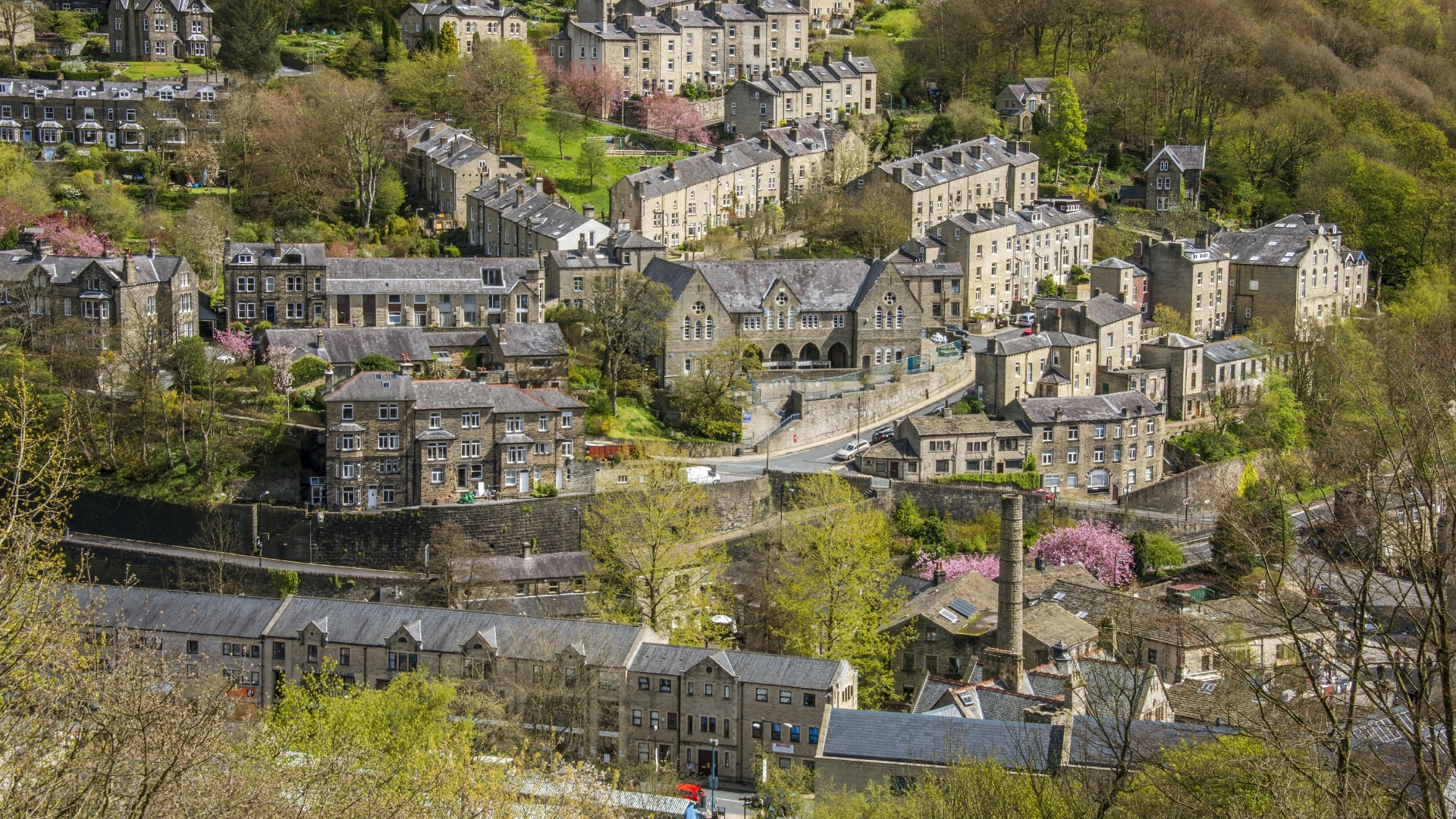
Hebden Bridge occupies a distinctive position within West Yorkshire, set deep in the Upper Calder Valley where landscape plays a defining role in daily life. Steep hillsides, open moorland, and stone villages shape both outlook and lifestyle, offering elevated views, privacy, and a strong connection to the natural environment. Threading through the valley floor, the Rochdale Canal adds another layer to daily life, with towpath walks, narrowboats, and waterside cafés forming a gentle counterpoint to the dramatic surrounding hills.
The area’s industrial past remains visible in converted mills, warehouses, and terraces that step up the valley sides, creating character homes rooted in their historic setting while benefiting from strong transport links and a well-established cultural scene.
Village living beyond the town centre
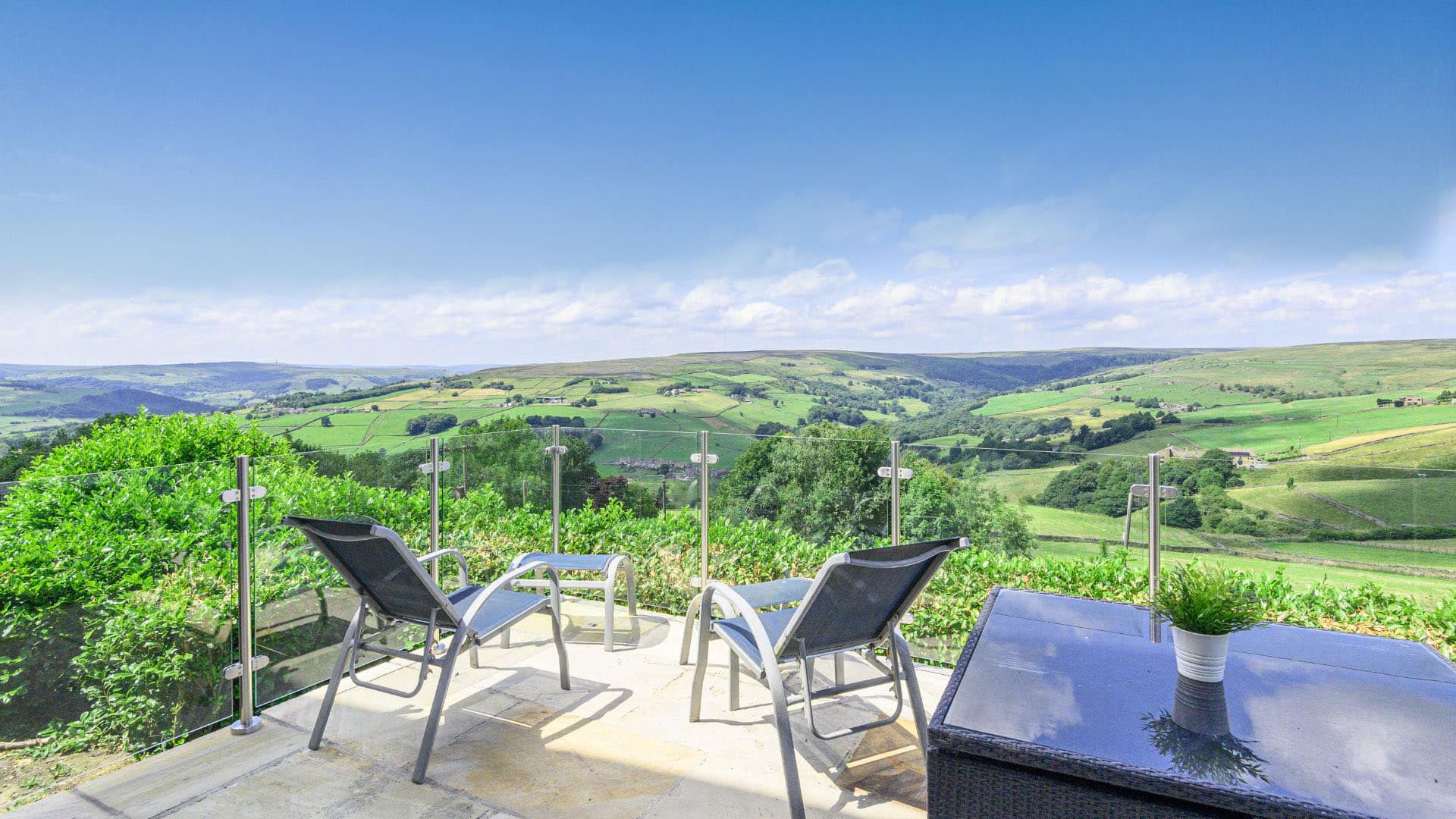
While the town centre provides a particularly strong concentration of independent shops – from artisan makers and bookshops to clothing boutiques and homewares, cafés, restaurants, and cultural venues – many of the area’s higher-value homes lie beyond it, in villages and hillside locations where space and seclusion come to the fore. Heptonstall, Old Town, Wadsworth, and Mytholmroyd each offer a distinct rhythm of life, from historic village centres and immediate countryside access to quieter residential settings with excellent valley connections. These locations appeal to buyers seeking period and listed homes, former farmhouses, and country retreats set within generous plots, often enjoying open views across the Calder Valley.
DISCOVER
Hebden Bridge area guide
Countryside access and outdoor living
One of the defining advantages of living in and around Hebden Bridge is how seamlessly the countryside integrates into everyday life. Public footpaths, bridleways, and tracks lead directly from villages into moorland and woodland, making outdoor activity a natural part of the weekly routine.
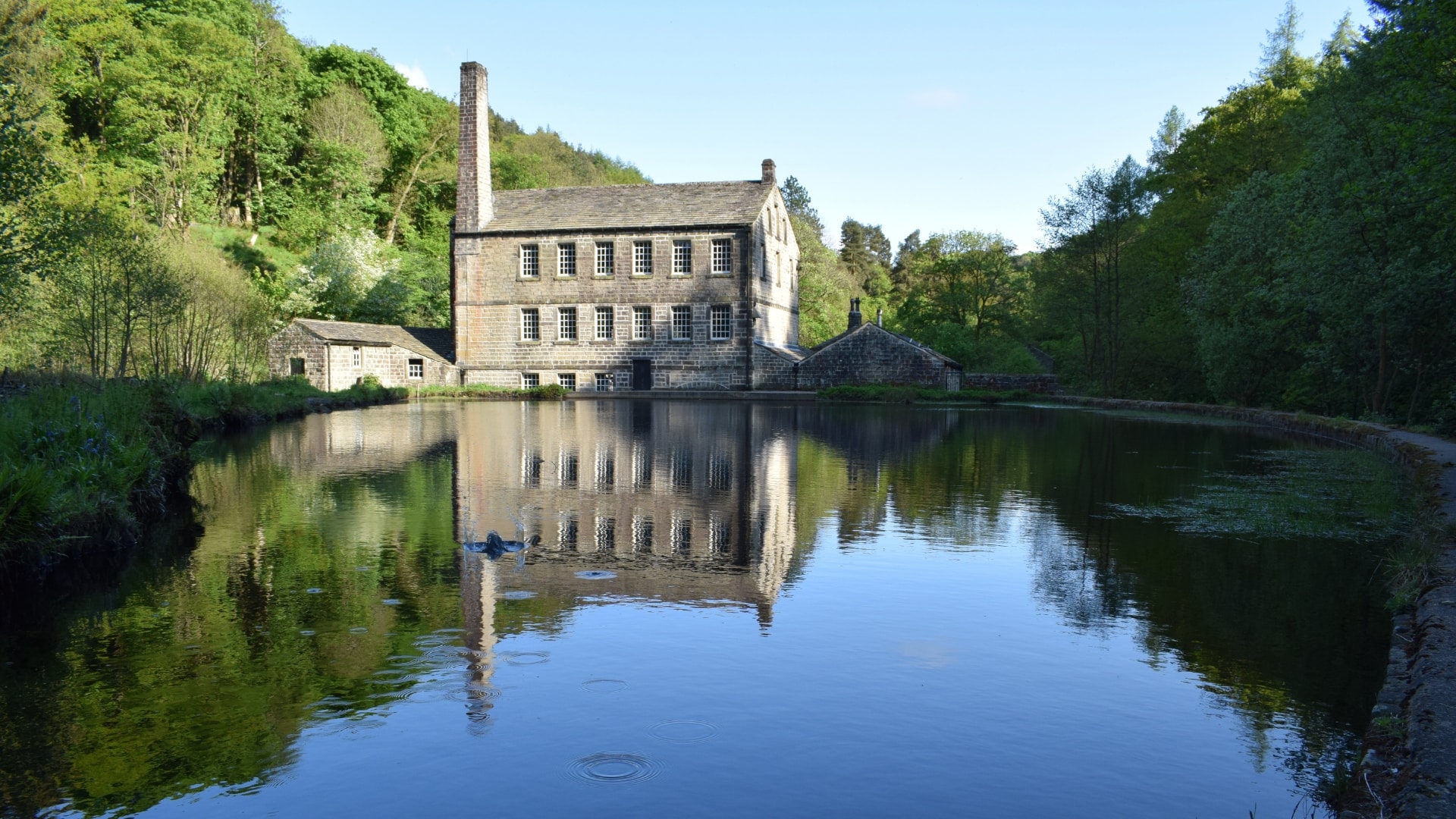
Hardcastle Crags, managed by the National Trust, is a sheltered wooded valley with waterfalls, historic mills, and year-round walking routes. From here, the South Pennine Moors extend towards Stoodley Pike, Walshaw Moor, and the Pennine Way, offering wide, open landscapes for walking, cycling, and trail running.
For golfers, Hebden Bridge Golf Club at Mount Skip sits high above the valley and is recognised as one of the highest courses in England, combining challenging play with panoramic views.
Dining, pubs, and local produce
Hebden Bridge maintains a strong independent food and drink scene, supported by its surrounding villages and countryside routes.
Popular destinations include Old Gate Bar & Restaurant and the highly sought-after Engine Social & Dining, known for its small-plate menus and limited availability. Walkers and locals alike frequent Bob’s Tearooms & Gardens, while Craggies Farm Shop provides a well-regarded butcher, deli, and local produce.
The wider area is also known for its traditional country inns. The Cat I’th Well in Luddenden is a long-established stop on the Calderdale Way, valued for its setting and character. Above Hebden Bridge, in Cragg Vale, The Hinchcliffe Arms has developed a strong reputation for quality food and well-kept ales in a classic country pub setting. Further along the valley, The Alma Inn near Sowerby Bridge offers relaxed dining, generous outdoor space, and a notably welcoming atmosphere, including for dogs.
Culture and everyday amenities
Hebden Bridge acts as both the cultural heart and practical hub of the Upper Calder Valley. The Hebden Bridge Picture House, one of the oldest continuously running cinemas in the country, sits alongside a lively programme of arts events, exhibitions, and live music, much of it centred around venues such as The Trades Club.
Annual highlights include the Hebden Bridge Arts Festival, the much-loved Handmade Parade, Open Studios events, and a busy calendar of markets and seasonal celebrations that give the town a strong sense of rhythm and identity throughout the year. Independent cafés, bakeries, pubs, and small retailers support everyday life, creating a centre that feels animated without being overbearing.The area’s distinctive character has also attracted filmmakers and television producers, with Hebden Bridge and the wider Calder Valley featuring in high-profile productions including Sally Wainwright’s Happy Valley and Riot Women, as well as recent filming by Danny Boyle. This creative visibility reinforces the town’s cultural reputation far beyond West Yorkshire.
Family life, schools, and community
Families are drawn to the wider Hebden Bridge area for its balance of outdoor freedom, community spirit, and village-based living. Children grow up with direct access to countryside, safe walking routes, and a culture that encourages independence, creativity, and time outdoors.
Well-regarded primary schools in and around the area include Hebden Royd Church of England Primary School, Scout Road Academy in Mytholmroyd, and Heptonstall Junior and Infant School, each valued for their community focus and setting. Secondary provision is centred around Calder High School in Mytholmroyd, with additional options available in Halifax and the surrounding towns.
Transport links and connectivity
Despite its rural feel, Hebden Bridge is exceptionally well connected. Direct rail services link the town to Manchester, Leeds, and York, making it a practical base for professionals who split time between city and countryside.
Road links connect the valley to the M62 and the wider regions of West Yorkshire and Greater Manchester, while Manchester Airport is typically reachable within around an hour.
History and heritage
Hebden Bridge grew from a small farming settlement into a thriving mill town during the Industrial Revolution, with mills and stone terraces built tightly into the valley sides. This dramatic landscape still defines the town’s layout and sense of place today.
Textiles and skilled trades shaped the local economy, with the town becoming particularly well known for clog-making and a tradition of practical craftsmanship. The arrival of the Rochdale Canal and later the railway connected Hebden Bridge to wider markets, supporting both industrial growth and cultural exchange.
As industry declined, many historic mills were repurposed into homes and creative spaces, allowing the town to evolve without losing its architectural integrity. Today, Hebden Bridge’s heritage is lived in rather than preserved behind glass – an important part of its enduring appeal for buyers seeking character, depth, and continuity.
Why choose Hebden Bridge?
Living in Hebden Bridge and its surrounding villages is defined by outlook, space, and setting. Homes here are valued not just for their architecture, but for their position within the landscape – elevated, private, and closely connected to the natural environment.
For buyers seeking character without compromise, Hebden Bridge offers countryside access, cultural depth, and connectivity in equal measure. It is a place to live with perspective, both literally and figuratively.
Ready to start your next chapter?
Explore homes for sale in Hebden Bridge.